
Saving Our Seeds
by Katrina L. Spencer
Amidst climate change, deforestation and the disastrous effects of warfare, it’s not only humans and other animals that are at risk. Plants that sustain our lives, biomes and well being are also living entities in need of safeguarding. One woman I met has made this her life’s work.
“We have the technology to preserve any plant species,” Dr. Kay Havens tells me. “We lack the political will and funding to do so.”
She’s a scientist at the Chicago Botanic Garden and specializes in seed preservation. At work she contributes to a team that decides which seeds to add to the site’s bank. Sometimes the spaces are called “vaults,” but no matter the vocabulary, their function is the same: the storage of the genetic material that allows for plant-based sustenance in your summer salad, comforting shade for your walk in the park, the oxygenated air we all breathe and more.

Dr. Kayri Havens of the Chicago Botanic Garden works to preserve seeds. Her institution lends seeds out to researchers by the dozens every year. Photo provided by the Chicago Botanic Garden
By cleaning, drying and freezing a broad biodiversity of species, Havens and her peers help to ensure that many types of flora remain accessible, especially for research and especially those native to the Upper Midwest.
“Hundreds have been lost,” Havens said. “We don’t know what gifts they might have given us.”
Every year, the Chicago Botanic Garden, one of 121 accredited gardens of its kind in the United States, receives 15-20 requests from researchers who want to learn more about certain plants. The requests are reviewed, and when appropriate use is determined, the seeds are sent out by mail, typically 50 at a time, in plastic tubes.
The Chicago Botanic Garden’s mission is two-fold, Havens explained. One part is to pursue the conservation of the rarest plants of the region. The other is to support the restoration of prairies, woodlands and wetlands. Illinois, she tells me, is known as “The Prairie State,” yet now only a thin fraction of Illinois’s great grassland remains due to conversion to agriculture.
While some seed vaults emphasize preservation of local flora, others sketch an even more expansive vision and worldwide renown like the one managed by the Royal Botanic Gardens, also known as “Kew,” in London. The gardens themselves are nearly 200 years old and have been recognized as a UNESCO World Heritage site, covering 500+ acres and serving as home to nearly 19,000 living plant species. The Millennium Seed Bank is Kew’s effort since 1996 to collect and preserve billions of seeds from over 40,000 species, making it one of the most comprehensive seed storage facilities globally.
Then there’s the Svalbard Global Seed Vault in Norway. At 17 years old, the facility is younger than Millennium and farther north, often depicted surrounded by snow and built into a sandstone mountain. Bryan Walsh wrote in Time Magazine that Svalbard “is a repository for samples from national seed banks across the globe.” That is, various entities from countries all over deposit seeds at Svalbard as backups for their own collections. For a variety of reasons, including natural disasters, unreliable funding and facility malfunctions like climate control, seed banks and their collections can become compromised, so Svalbard offers a type of insurance in the face of threats. Home countries retain ownership of the seeds stored at Svalbard and continue to lend out duplicates for research.
“Deposits and withdrawals are important,” Havens said.
It is not only important that banks receive seeds, but also that interest in using the seeds and creating novel uses of plant material remain active. After all, humanity’s dependence on plants is as old as time immemorial. Our intimate links to plant life require hardly any searching at all. For example, the continuous study of plants and the subsequent exchange of knowledge have produced creams for soothing sunburns with aloe, T-shirt fabrics woven with cotton and biodegradable straws made of bamboo. These gains are won through literal access to seeds and the study of plants that sprout from them.
While laypeople may have little idea regarding which seeds are “critically endangered” or “data deficient” per the International Union for the Conservation of Nature, even the everyday citizen can participate in conservation efforts.
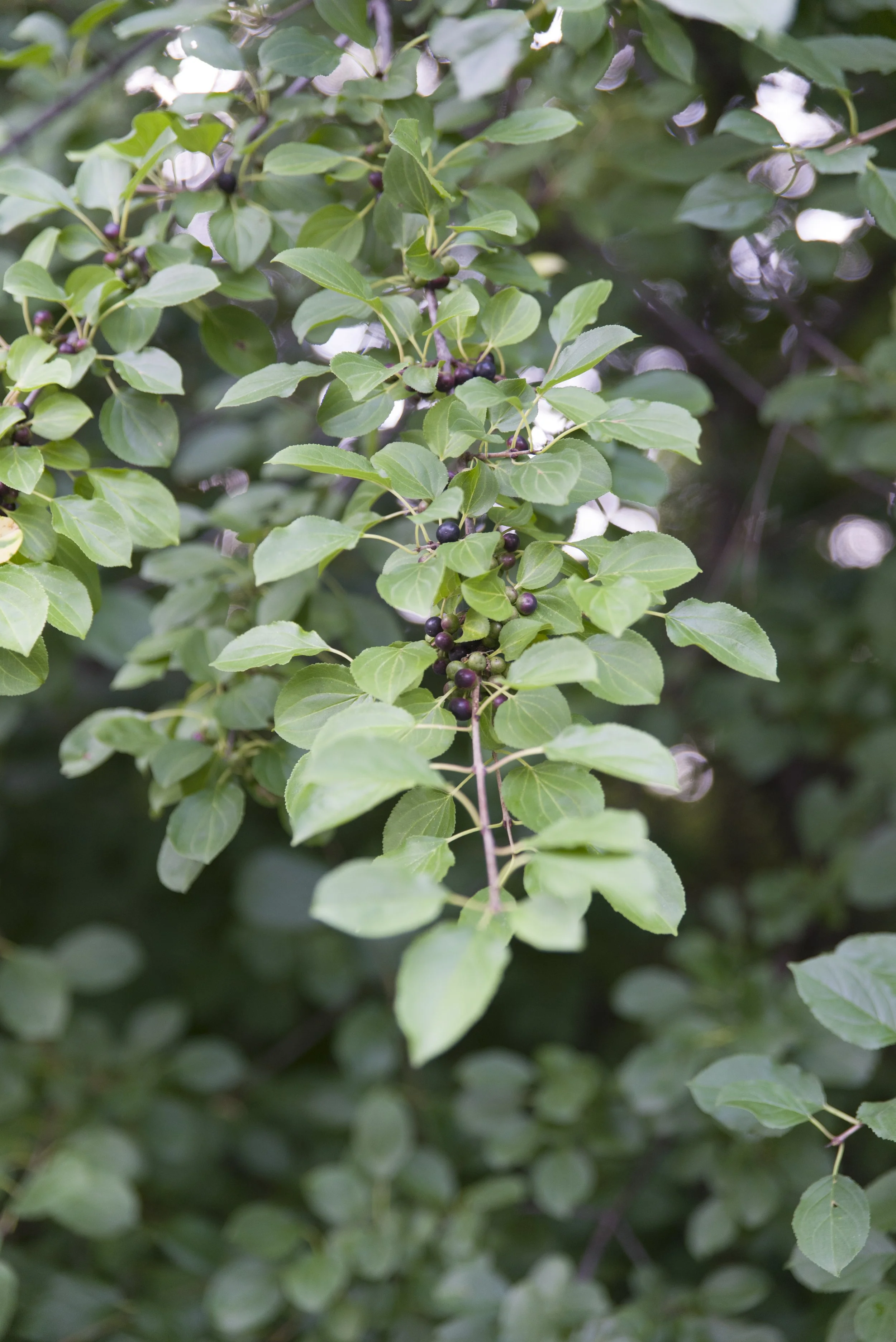
This buckthorn is an invasive shrub in the Upper Midwest region whose proliferation can stifle the growth of other plants. Photo provided by the Chicago Botanic Garden
“Learn what plants are native to your region,” Havens said. And “avoid planting non-native, invasive species.” Planting lawn alternatives, too, per Havens’s advice, creates a trifecta of conscientiousness that people who are not botanists and amateur horticulturists can uphold.
Having committed decades of her life to plants, catching poison ivy a handful of times, sneezing seasonally from overexposure to pollen and having fallen into bogs on seed retrieval missions, Havens remains optimistic in her ventures.
“It’s worth it,” she said.